10 Essential Life Skills Every Child Should Learn by Age 10
Parenting isn’t just about teaching kids their ABCs or helping them ride a bike, it’s about preparing them for life, for the future. By the age of 10, children are capable of learning skills that build independence, confidence, and resilience. These skills go beyond chores or homework; they shape character and prepare kids to thrive emotionally, socially, and practically.
Here are 10 life skills every child should learn before age 10, covering household, emotional, social, leadership, and communication growth.
1. Basic Household Chores
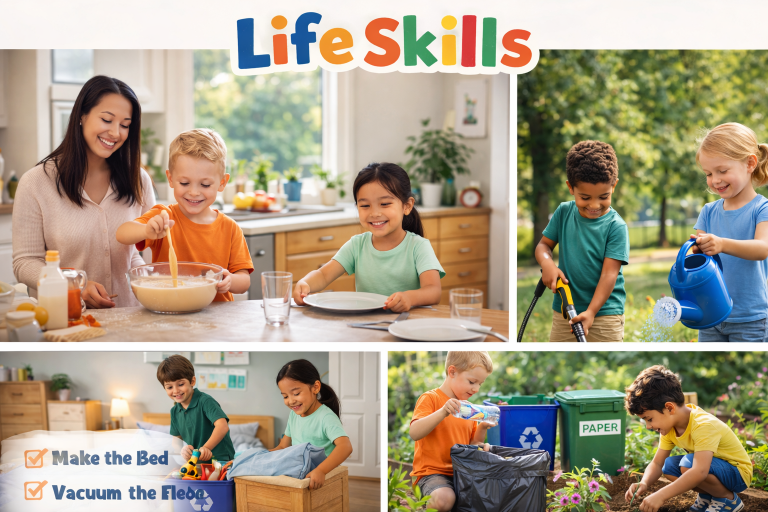
Teaching children household chores gives them a sense of responsibility and belonging. By starting early with simple tasks like putting toys in a basket, wiping spills, or helping carry laundry, kids learn that every family member contributes to the home. As they grow, you can introduce age-appropriate responsibilities such as setting the table, folding laundry, or preparing a snack. These tasks help kids build self-confidence, develop motor skills, and foster independence. Chores also teach teamwork and accountability, preparing them for responsibilities in school and beyond.
2. Managing Their Belongings
Children benefit greatly from learning how to manage their personal belongings. This skill can start with keeping their toys organized or putting shoes in the right place. As they grow, encourage them to pack their own school bag, keep their desk neat, or care for special items like books or art supplies. By doing this, kids learn responsibility, organization, and respect for their possessions. This habit also reduces stress and helps them build independence, as they begin to understand that their things are their responsibility to maintain and care for.
3. Problem-Solving Skills
Life is full of challenges, and kids need problem-solving skills to navigate them. Teaching children how to pause, consider options, and choose solutions instead of reacting impulsively is a critical skill before age 10. This can be done through everyday moments: resolving a sibling disagreement, figuring out how to build a Lego structure, or deciding what to do if they forget homework. You can guide your kids by asking open-ended questions like, “What could we try instead?” or “How do you think we can fix this?” These practices build resilience and creative thinking.
4. Basic Cooking Skills
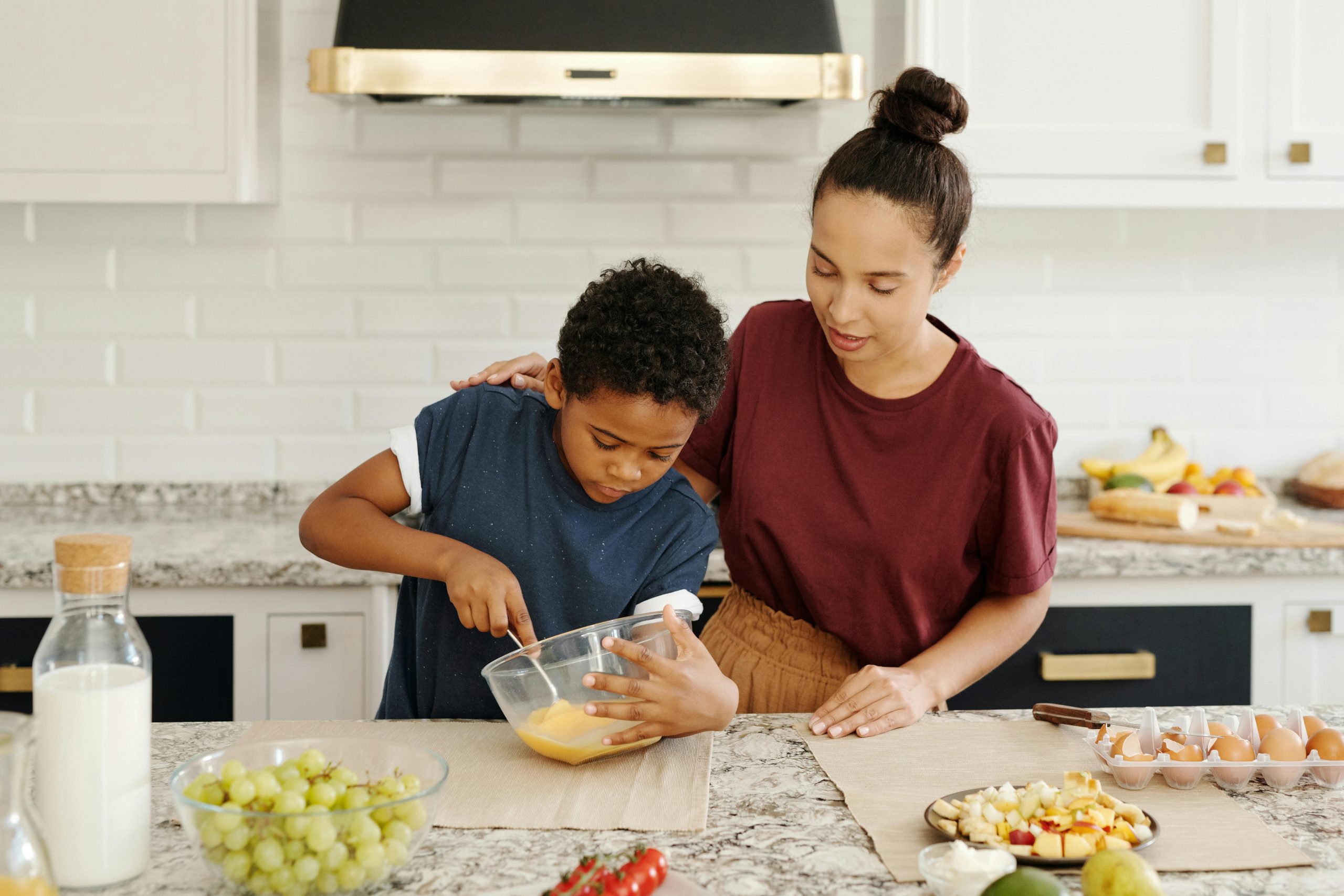
Cooking is one of the most empowering life skills children can learn. Even at a young age, kids can help by stirring, washing fruits, or measuring ingredients. By ages 8–10, they can begin making simple snacks like sandwiches, scrambled eggs, or pasta under supervision. Cooking builds fine motor skills, math skills (measuring and counting), and introduces them to nutrition and healthy choices. Beyond practical benefits, kids feel proud when they make something that others can enjoy. This independence also sets the stage for healthier habits later in life.
5. Emotional Regulation
Big feelings are part of childhood, but teaching kids how to manage those feelings is essential. Emotional regulation means helping children recognize their emotions, name them, and choose calm-down strategies. This might include taking deep breaths, hugging a stuffed toy, or stepping away until they feel ready. Parents can model this by labeling their own emotions and showing healthy coping methods. Developing these skills before age 10 builds emotional intelligence, empathy, and resilience, reducing tantrums and meltdowns and helping children form healthier relationships with themselves and others.
6. Effective Communication
Strong communication skills are vital for every child. Teaching children to express themselves respectfully, listen attentively, and use polite language sets the foundation for lifelong success. You can encourage communication by having daily conversations, asking open-ended questions, and practicing “I” statements like “I feel upset when…” This helps children understand that their feelings are valid and can be expressed without hurting others. Active listening, making eye contact, and being clear with their words also help children succeed academically and socially, while strengthening family bonds.
7. Empathy & Kindness
Empathy is the ability to understand and share the feelings of others. Teaching children empathy before age 10 lays the foundation for kindness, compassion, and healthy friendships. You can foster empathy by asking your child how they think someone else might feel or encouraging acts of kindness such as helping a sibling, comforting a friend, or sharing toys. Modeling empathetic behavior yourself is equally powerful. When children understand the impact of their actions on others, they are more likely to develop strong social skills and emotional awareness.
8. Time Management
Time management is a skill that even many adults struggle with, but children can begin learning it early. Before age 10, kids can benefit from routines like morning checklists, using timers to complete homework or chores, and breaking down larger tasks into smaller, manageable steps. These strategies help children understand the value of time and the importance of prioritizing responsibilities. Teaching kids to balance schoolwork, chores, and play helps them feel more in control and reduces stress. Over time, these habits prepare them for bigger challenges in middle school and beyond.
9. Leadership & Teamwork
Children don’t have to wait until adulthood to develop leadership skills. By giving them opportunities to lead, like being the “captain” in a game, helping siblings with small tasks, or managing a family project, kids learn confidence, fairness, and cooperation. Leadership also teaches accountability and problem-solving, while teamwork encourages them to respect others’ ideas and contributions. Balancing leadership with collaboration helps children understand that being a good leader means listening, guiding, and supporting others. These lessons are invaluable for school, sports, and life.
10. Self-Care Basics
Self-care is more than brushing teeth, it’s about building independence and responsibility for personal well-being. By age 10, children should be capable of dressing themselves, practicing proper hygiene, and packing their school bag or lunch. Encourage them to take ownership of their routines, such as washing hands before meals, brushing teeth twice daily, and getting ready for bed on time. These skills foster independence and self-confidence. They also prepare kids for adolescence, when more personal care responsibilities naturally fall to them.
Teaching life skills doesn’t happen overnight, it’s a gradual process built through daily practice and encouragement. Every new skill learned builds independence and prepares our children for success in school, friendships, and life.
Start with one skill this week, celebrate progress, and watch your child bloom into confidence.
Download your free checklist below.