Building Essential Skills Kids Need for Lifelong Success
Every child deserves the chance to thrive, to feel seen and valued, and to cultivate the tools that unlock new possibilities. As parents, caregivers, and educators, it is only natural to wonder: “Are we truly preparing our kids for whatever the future may bring?” The journey is daunting, yet uplifting, and brimming with invisible milestones that matter just as much as academic grades or trophies on the shelf.
This article explores building skills kids need for lifelong success – not just for school, but for real life. We will shine light on the essential skills that form a strong foundation for well-being, adaptability, and purpose. From emotional intelligence to creative problem-solving, you will discover actionable ways to nurture these skills at any age. Let’s unravel what truly prepares children for a fulfilling future and how you can empower them every step of the way.
Understanding Why Building Skills Kids Need Matters
The Landscape of Childhood is Changing
Today’s world looks different from a generation ago. The demands kids face are shifting with advances in technology, complex social environments, and unpredictable challenges. While traditional academics remain important, lifelong learning now depends on deeper competencies; self-awareness, adaptability, empathy, communication, and more. This makes building skills kids need a central pillar of modern parenting and education.
The Power of a Skills-First Mindset
Research shows a focus on skill-building, not just knowledge acquisition, transforms how children approach setbacks, relationships, and their own growth. Skills such as critical thinking, collaboration, and resilience empower kids to find their way in any situation, fueling confidence and a sense of purpose. When we choose a skills-first mindset, we help children see themselves as capable and adaptable, now and for years to come.
With these insights in mind, let’s explore the specific building blocks kids need for lifelong success.
The Five Key Domains of Building Skills Kids Need
1. Emotional Intelligence: Understanding and Managing Feelings
Emotional intelligence (EQ) forms the heart of building skills kids need. It enables children to recognize their feelings, express them appropriately, and read the emotions of others.
- Self-awareness: Recognizing one’s emotions and understanding their impact.
- Self-regulation: Managing impulses, delays in gratification, and coping with stress.
- Empathy: Understanding and sharing another person’s feelings.
Practical Tips:
- Model healthy emotional expression at home. Say, “I feel frustrated when…” to teach naming feelings.
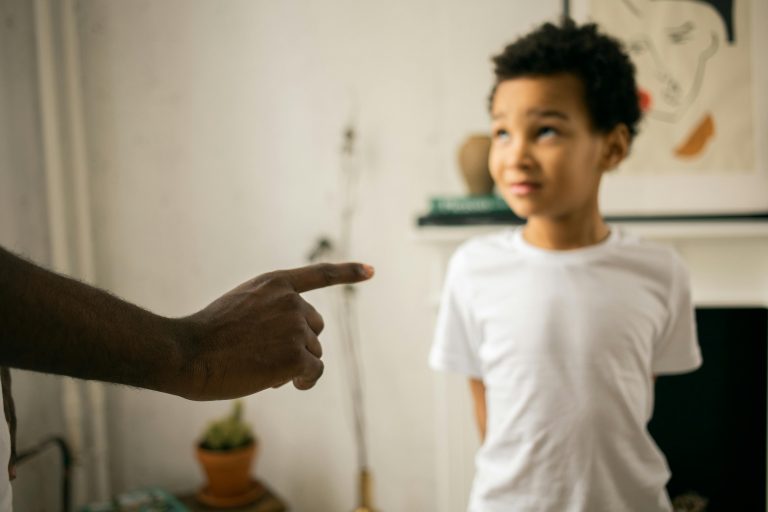
- Validate your child’s emotions, even uncomfortable ones, without judgment.
- Encourage talking about daily highs and lows as part of a bedtime routine.
Helping children identify and work through their emotions lays the foundation for every other skill to come.
2. Social Skills: Communication, Collaboration, and Connection
Healthy relationships are built on communication and trust. Core social skills are vital for teamwork, conflict resolution, and forming lasting friendships.
- Listening actively and respectfully
- Expressing thoughts clearly
- Resolving disagreements constructively
Practical Tips:
- Role-play various scenarios, such as asking for help or apologizing after hurt feelings.
- Set up group activities, like family game night or volunteering, to practice teamwork.
- Reflect after conflicts: “How did you feel? What would you do differently?”
When children develop strong social skills, they learn to navigate diverse groups and situations with empathy and clarity. These lessons set the stage for deeper self-motivation and learning.
3. Self-Motivation and Independence: Building Internal Drive
Self-motivation is about more than getting homework done. It involves setting goals, pursuing them, and adapting when things don’t go as planned. At its core, self-motivation is about intrinsic (internal) drive rather than just external rewards.
- Goal setting: Whether it is finishing a book or learning a new skill, children thrive when they can set and achieve their own goals.
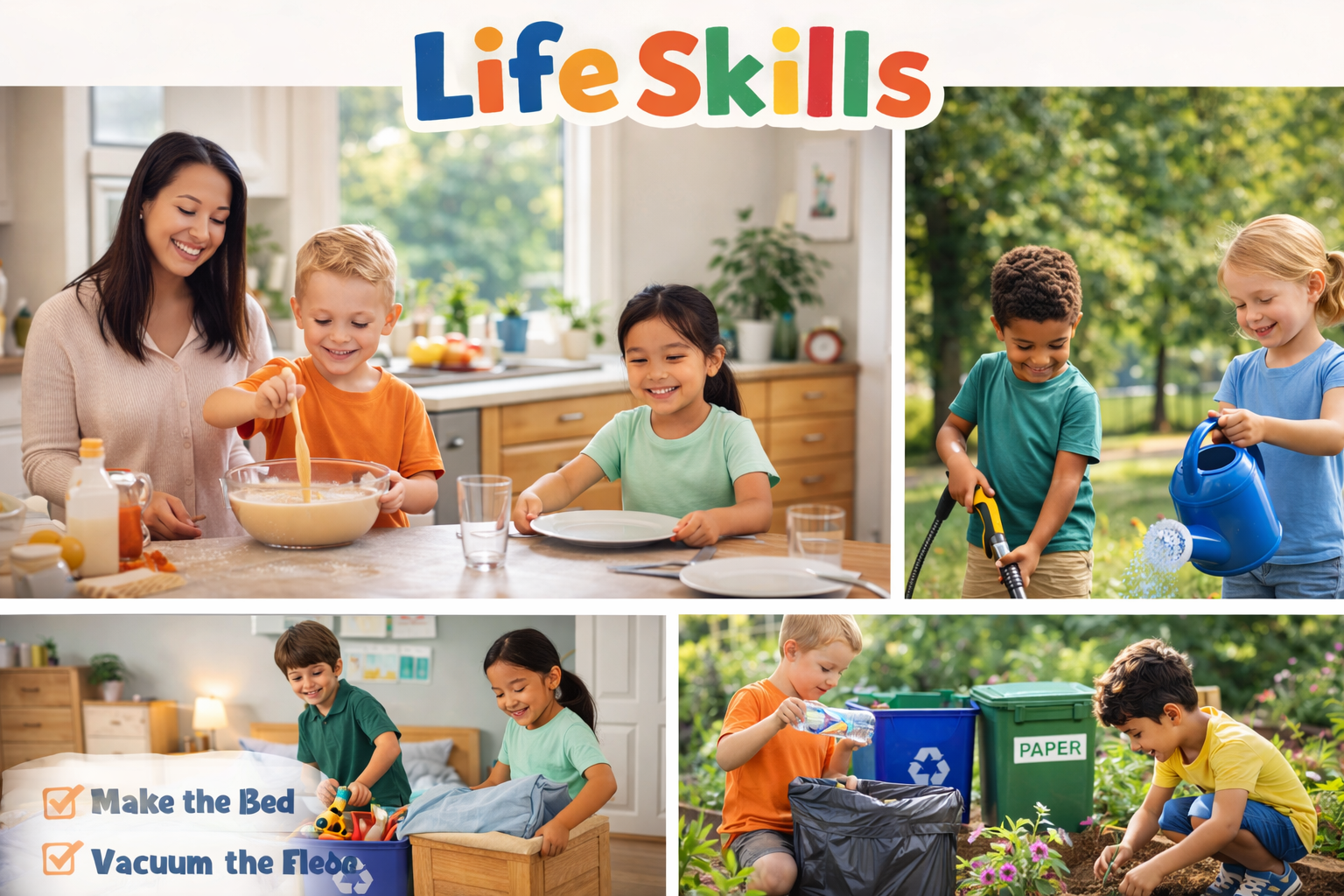
- Responsibility: Assigning age-appropriate chores and decisions helps kids take ownership of their daily lives.
- Growth mindset: Teach that failure is part of success by celebrating effort and learning, not just outcomes.
Practical Tips:
- Use language that focuses on progress and effort: “You worked so hard on this project!”
- Create opportunities for independent problem-solving, such as planning a family meal or managing their own homework calendar.
- Let children learn from mistakes safely, offering support rather than rescuing immediately.
Nurturing motivation lays the groundwork for creativity and critical thinking, allowing children to persist and adapt as they grow.
4. Creativity and Critical Thinking: Adapting to a Changing World
The pace of change requires young people to look beyond memorization. As adults, creative and critical thinkers stand out for their ability to innovate and problem-solve.
- Curiosity: Encourage asking questions and exploring new ideas.
- Open-mindedness: “What else could work here?”
- Logical reasoning: Sorting information, making decisions, and predicting outcomes.
Practical Tips:
- Turn mistakes into “what can we learn?” moments rather than sources of shame.
- Expose children to diverse experiences, from art projects to science experiments.
- Ask open-ended questions to encourage deeper thought: “Why do you think that happened?”
When kids view challenges as opportunities for growth, everything; from academic tests to personal decisions, becomes more manageable and meaningful.
5. Practical Life Skills and Adaptability: Readiness for the Real World
Alongside mental and emotional abilities, practical competencies are vital. Skills like time management, healthy habits, and adaptability prepare kids for everyday life and unexpected change.
- Basic finance: Introduce concepts like saving, spending, and budgeting.
- Time management: Encourage routine and planning with visual schedules or checklists.
- Self-care: Teach the importance of rest, healthy eating, and mindfulness practices.
- Flexibility: Model the ability to adapt when plans shift or challenges arise.
Practical Tips:
- Involve kids in grocery shopping, meal planning, or household budgeting discussions.
- Practice self-care routines together, such as nightly wind-downs or weekend nature walks.
- Encourage “plan B” thinking when something doesn’t go as expected.
All of these are vital for building skills kids need to thrive independently. When children feel capable in both their hearts and their daily lives, their confidence soars. Next, let’s look at how to weave these lessons into everyday life for lasting impact.
Integrating Skill Building Into Daily Life
Making Every Day a Learning Opportunity
You do not need formal programs or fancy tools to begin building skills kids need. Everyday experiences are powerful when we approach them with intention. Conversations at the dinner table, playground squabbles, and unexpected difficulties are all chances to nurture confidence, empathy, and adaptability.
- Designate “family meeting” times to discuss highs, lows, and practice problem-solving collectively.
- Encourage responsibility by letting kids choose (and live with) age-appropriate decisions. This builds both agency and accountability.
- Celebrate learning from mistakes together. Share your own stories of setbacks and growth to inspire resilience.
The secret is consistency. When adults model lifelong learning and emotional intelligence, children absorb these lessons as the norm. Every interaction becomes a building block for future success.
Partnering With Schools and Communities
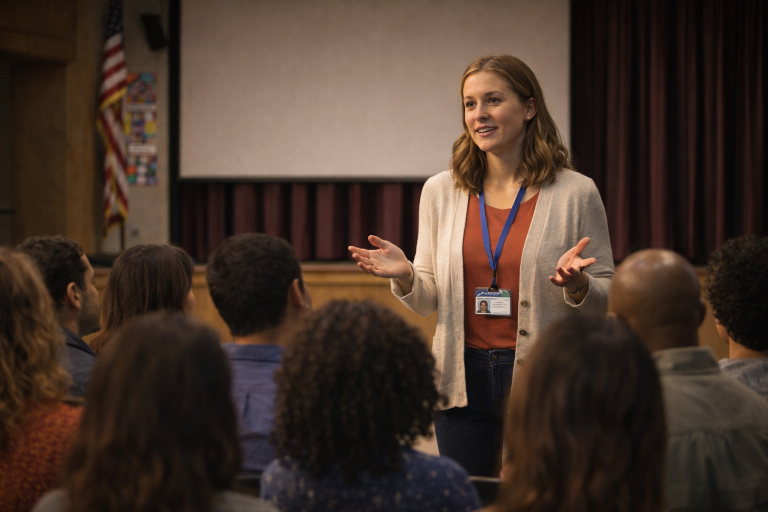
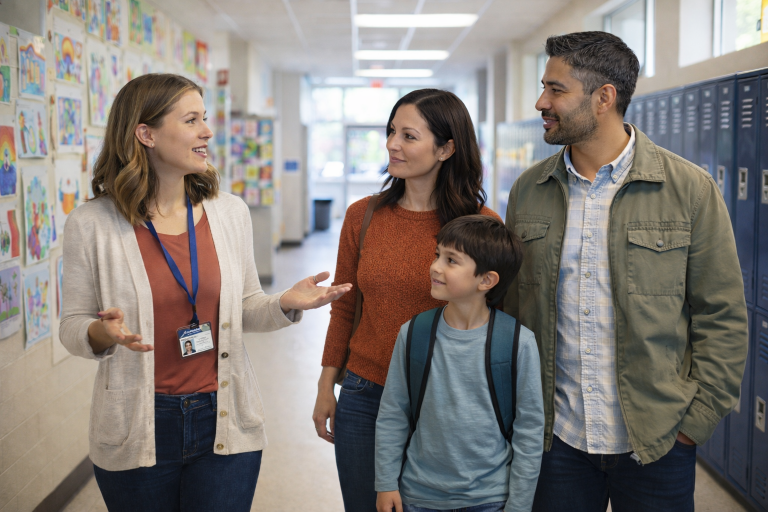
While homes are the heart of development, communities play a vital role in reinforcing building skills kids need. Seek out teachers, mentors, or youth organizations that value holistic development. If your child’s educational environment lacks support for skills like teamwork and creativity, advocate for their inclusion. When schools and families partner, skill-building takes root and multiplies.
As you integrate these ideas, remember, the journey is gradual. Progress sometimes comes through small, daily choices that collectively transform a child’s outlook and abilities. Now, let’s explore how to foster resilience for truly lifelong success.
Building Skills Kids Need for Resilience and Lifelong Success
The Critical Role of Resilience
No child (or adult) is immune to struggle. The true test of all the skills explored here is whether a child can face setbacks and emerge stronger. Resilience is not about eliminating hardship; it is about equipping children with the internal resources to bounce back, adapt, and maintain hope, even when life is hard.
- Model self-compassion and self-care when things go wrong (“I am disappointed, but I will try again tomorrow”).
- Foster a growth mindset: view challenges as stepping stones rather than roadblocks.
- Encourage reflection on past challenges: “What helped you get through that hard time?”
By focusing on resilience, you ensure that every other skill becomes a sustainable force in your child’s life. They will approach the world with courage, curiosity, and belief in their own ability to grow.
Everyday moments offer opportunities to build on these essential skills, reinforcing both independence and emotional security for years to come.
Conclusion
No single path leads to lifelong success, but one truth endures: our children’s hearts and minds deserve as much intentional nourishment as their bodies and intellects. By focusing on building skills kids need; emotional intelligence, social strengths, self-motivation, creativity, practical abilities, and resilience, we hand our children the tools to shape their own futures, regardless of what lies ahead.
Childhood will always be a dance of unpredictability and possibility. But the skills we nurture, through daily routines, supportive environments, and consistent encouragement, outlast any trend or challenge. Even when you feel uncertain as a parent or mentor, remember: every intentional moment of teaching, listening, or simply being present expands your child’s foundation for success.
As women especially, let’s honor the power we possess to fuel this growth for our children and for ourselves. By stretching beyond academic achievement and focusing on holistic development, we offer a legacy of curiosity, confidence, and compassion that echoes for generations.
If you are interested in further support for mindful parenting, childhood well-being, or building healthy family habits, explore more of our resources to deepen your journey. Every skill you help nurture today is another act of hope for tomorrow. Choose just one small change, and let the ripple begin.